A smoothie vending machine business plan helps buyers decide whether the project is practical before they order a machine. It should cover the target market, location, machine configuration, ingredients, pricing model, refill plan, cleaning process, payment setup, shipping, and supplier questions.
This plan should not promise fixed sales, guaranteed profit, or a specific payback period. Instead, it should help the buyer prepare the right information and reduce avoidable mistakes before production.
If you are still comparing machine options, you can review YumBoxs’ main smoothie vending machine for sale page before building your plan.
Why a Smoothie Vending Machine Business Plan Matters
A smoothie vending machine is not only a machine purchase. It is a location, ingredient, payment, cleaning, and service project.
A good business plan helps you answer practical questions:
- Who will buy the drinks?
- Where will the machine be placed?
- Which machine configuration is needed?
- Who will refill fruit, liquids, powders, and cups?
- How will cleaning be handled?
- Which payment methods will customers use?
- What shipping and import steps are required?
- Which questions should be confirmed with the manufacturer?
These answers help the supplier recommend a more accurate configuration. They also help the buyer compare quotations more fairly. A clear smoothie vending machine business plan also makes it easier to review costs without relying on unrealistic profit promises.
1. Define the Target Market and Location
Start by defining the target customer and location type. A smoothie vending machine may fit gyms, shopping malls, schools, universities, hotels, hospitals, offices, resorts, or other commercial locations.
However, a busy location is not always the best location. The site should have qualified traffic: people who want cold, convenient, health-oriented drinks and have time to stop and buy.
Before choosing a site, confirm:
- Who will use the machine?
- Why would they buy a smoothie at this location?
- When is the strongest purchase time?
- Can the machine be placed indoors or in a sheltered area?
- Is there stable power and network access?
- Can staff or operators refill and clean the machine easily?
For a deeper location checklist, see best locations for smoothie vending machine projects.
2. Choose the Machine Configuration
The machine configuration should match the operating plan. Buyers should not choose a configuration only by price.
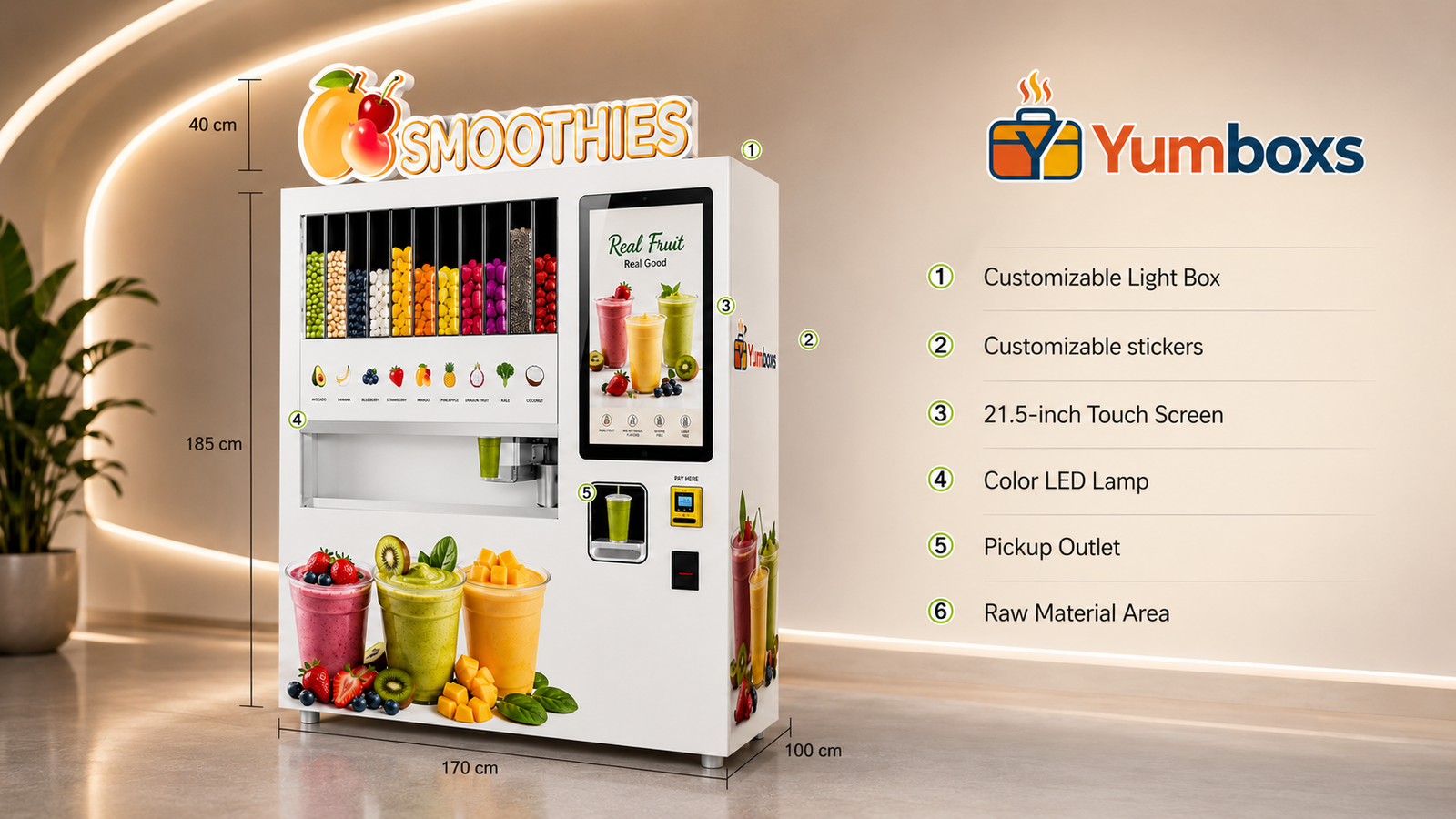
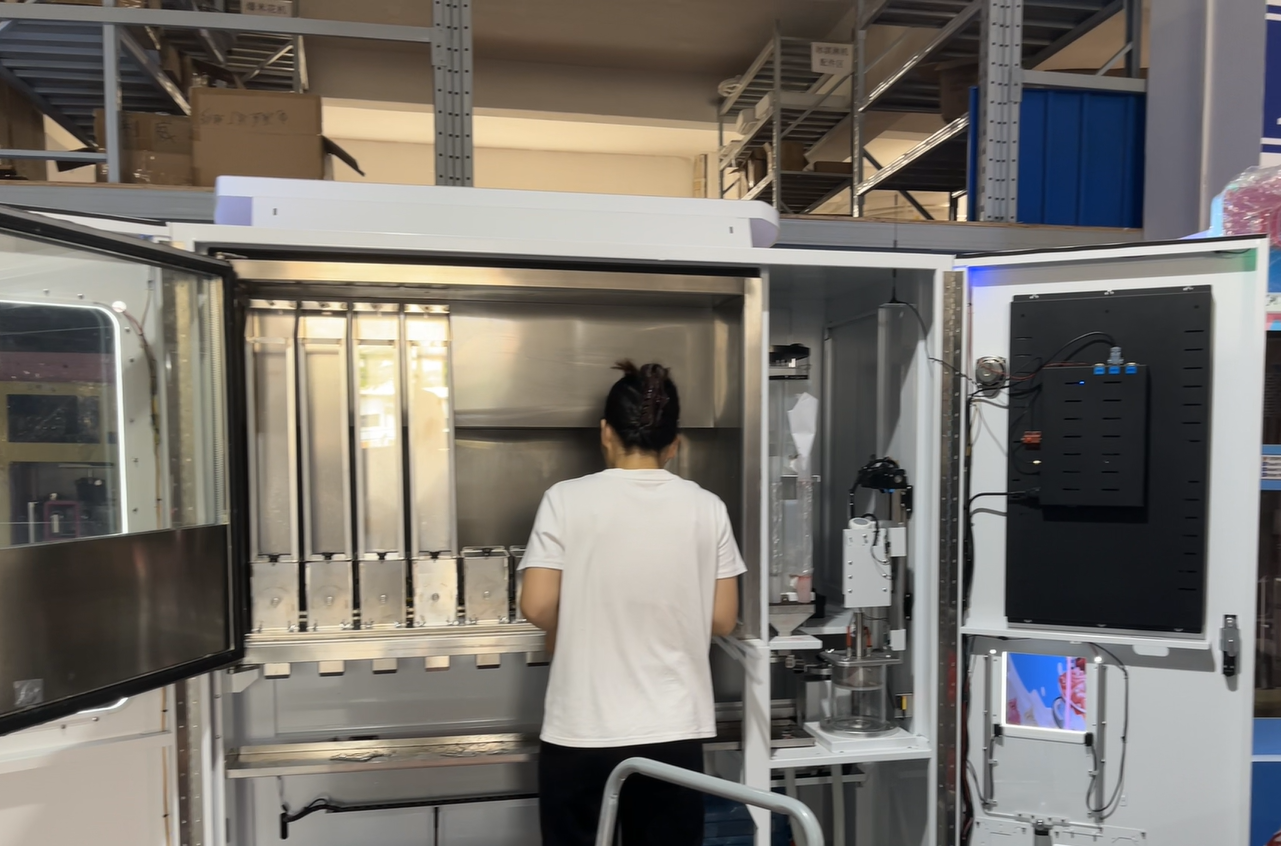
Current YumBoxs smoothie vending machine information includes:
- 21.5-inch touchscreen
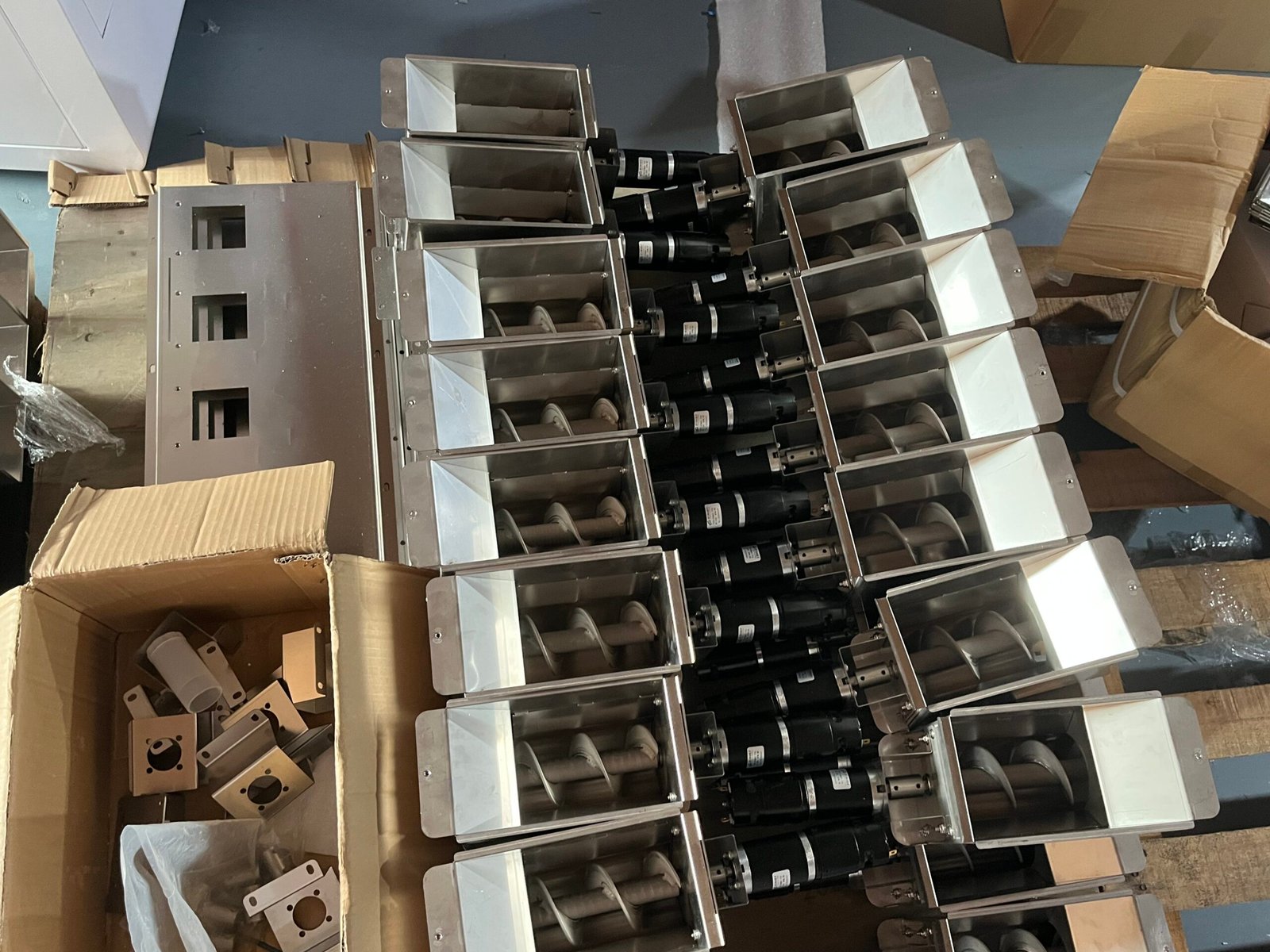
- Eight fruit bins
- Four liquid tanks
- Four powder bins
- Automatic cup dispensing
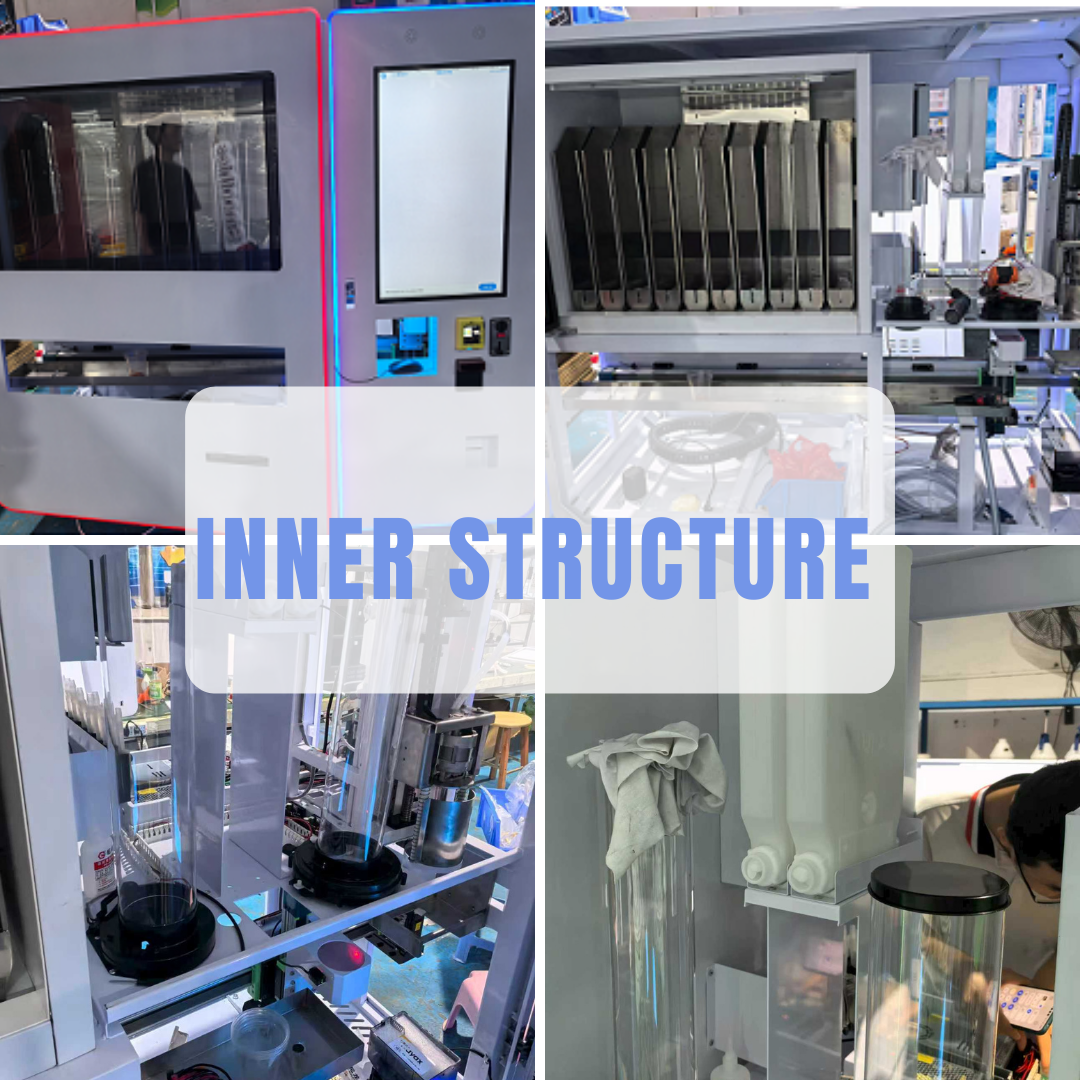
- Automatic rinsing after each cup
- Remote backend management
- Wi-Fi, Ethernet, or 4G connection
These features affect menu planning, ingredient storage, refilling, cleaning, and daily operation.
Before production, confirm:
- How many drink options will be offered?
- Which fruits, liquids, and powders will be used?
- What cup size is required?
- Which interface language is needed?
- Is exterior branding required?
- Which payment hardware should be installed?
For buyers who are still learning the workflow, the article how does a smoothie vending machine work explains the main operating steps.
3. Plan Ingredient Supply
Ingredient planning is central to the business plan. Smoothie vending machines may use frozen fruit, liquids, powders, and cups. The buyer needs a clear supply plan before operation begins.
Current YumBoxs project information states that frozen fruit storage temperature is adjustable and normally set around -5C. Buyers should confirm the final storage setting based on the ingredient plan and location environment.
Ingredient planning should cover:
- Fruit types and portion size
- Liquid ingredients
- Powder ingredients
- Cup supply
- Storage conditions
- Refill frequency
- Waste control
- Cleaning requirements
Do not assume every ingredient will work automatically. Ingredient texture, storage requirements, and dispensing behavior should be confirmed with the manufacturer.
4. Build a Responsible Pricing Model
The pricing model should consider the selling price, ingredient cost, payment fees, rent, refill labor, maintenance, and other operating costs. However, buyers should avoid using one fixed profit assumption for every location.
Instead of asking for a guaranteed return, build a simple worksheet with adjustable inputs:
- Expected daily orders
- Selling price per drink
- Ingredient cost per drink
- Cup and consumable cost
- Payment processing fees
- Location rent or revenue share
- Refill and cleaning labor
- Maintenance allowance
- Shipping and setup cost
This model helps buyers compare scenarios. It should not be treated as a promise of results.
If you already have a location, use real traffic and local cost data where possible. If you do not have a location yet, keep the assumptions conservative.
5. Create a Staffing and Refill Plan
Even an automated machine needs service. The operator must refill ingredients, restock cups, check the machine, clean key areas, and respond to alerts.
A refill plan should answer:
- Who will refill the machine?
- How often will fruit, liquids, powders, and cups be refilled?
- Where will ingredients be stored before refilling?
- How will staff access the machine?
- What happens if an ingredient runs low?
- Who checks the backend or machine status?
Current YumBoxs project information states that approximately 80 cups can be stored, depending on cup configuration. Buyers should confirm final cup capacity and refill frequency based on the planned location.
6. Plan Cleaning and Maintenance
Cleaning should be part of the business plan from the beginning. A smoothie vending machine handles ingredients that require regular attention.
Current YumBoxs project information states that the machine performs automatic rinsing after each cup. This helps reduce residue, but it does not replace all manual cleaning tasks.
Your cleaning plan should include:
- Daily cleaning tasks
- Ingredient container cleaning
- Cup and dispensing area cleaning
- Weekly deep cleaning
- Cleaning records
- Parts that need routine inspection
- Who is responsible for each task
Current YumBoxs project information also states that no direct drainage connection is required in the standard configuration. Even so, buyers should confirm rinse water handling for the final setup.
7. Confirm the Payment System
Payment setup should match the target country and customer habits. A machine in a gym, mall, school, or hotel may need different payment options.
For YumBoxs smoothie vending machines, Nayax card payment is available. Coin acceptors and bill acceptors are optional depending on configuration.
Before ordering, confirm:
- Will customers pay by card, NFC, QR code, mobile wallet, or cash?
- Does the payment provider support the target country?
- Who opens the merchant account?
- Does the location have stable Wi-Fi, Ethernet, or 4G access?
- Who handles payment troubleshooting?
For a broader checklist, read vending machine payment systems.
8. Prepare the Shipping and Import Plan
International buyers should include shipping and import steps in the business plan. The final landed cost may depend on machine configuration, quantity, destination, delivery terms, and local import requirements.
Before confirming the order, ask for:
- Machine dimensions and weight
- Packing method
- Incoterms
- Destination port or delivery address requirements
- Required import documents
- Estimated production time
- Inspection process before shipment
- Unloading and installation considerations
Current YumBoxs project information states that typical production time is approximately 25 to 30 days depending on the order and configuration. Shipping cost depends on destination, postal code, quantity, dimensions, weight, and delivery terms.
Do not treat shipping as a fixed universal number. Confirm it for the exact project.
9. Questions to Ask the Manufacturer
Before buying, prepare a clear question list for the supplier. This helps avoid vague quotations and missing configuration details.
| Planning Area | Questions to Ask |
|---|---|
| Location | Is this location suitable for indoor or sheltered installation? |
| Configuration | Which fruit bins, liquid tanks, powder bins, and cup setup are recommended? |
| Ingredients | Which ingredient types should be confirmed before production? |
| Payment | Which payment options can support the target country? |
| Branding | Can the machine exterior and interface be customized? |
| Cleaning | What daily and weekly cleaning tasks are required? |
| Shipping | What dimensions, weight, packing, and Incoterms apply? |
| Support | What remote technical support and warranty terms apply? |
CTA: Request Business Planning Support
Final Recommendation
A smoothie vending machine business plan should help buyers prepare the project before ordering. It should define the target location, machine configuration, ingredient supply, pricing model, refill plan, cleaning process, payment setup, and shipping plan.
The plan should not rely on guaranteed profit claims or fixed payback promises. Instead, it should use real location data, conservative assumptions, and confirmed supplier information.
If you are planning a smoothie vending machine project, prepare your location type, target customers, ingredient plan, payment needs, and shipping destination before requesting a quotation. This helps the manufacturer recommend a configuration that fits the real business plan.
CTA: Request Business Planning Support