Is a smoothie vending machine profitable? It can be, but only when the location, product setup, pricing, refill process, cleaning routine, and service plan all support the business model. A machine alone does not create profit. Profit comes from matching the machine configuration to real customer demand and controlling the daily operating details.
For B2B buyers, the better question is not whether every smoothie vending machine is profitable. The better question is whether your planned location, menu, payment setup, ingredient supply, and operating team can support a profitable smoothie vending machine project. This guide explains the factors to review before asking for a quotation or building a business plan.
Is a Smoothie Vending Machine Profitable for Every Location?
No. A smoothie vending machine may work well in some high-intent locations and perform poorly in places where customers do not want cold drinks, healthy beverages, or quick self-service purchases. Location quality is usually one of the biggest drivers of performance.
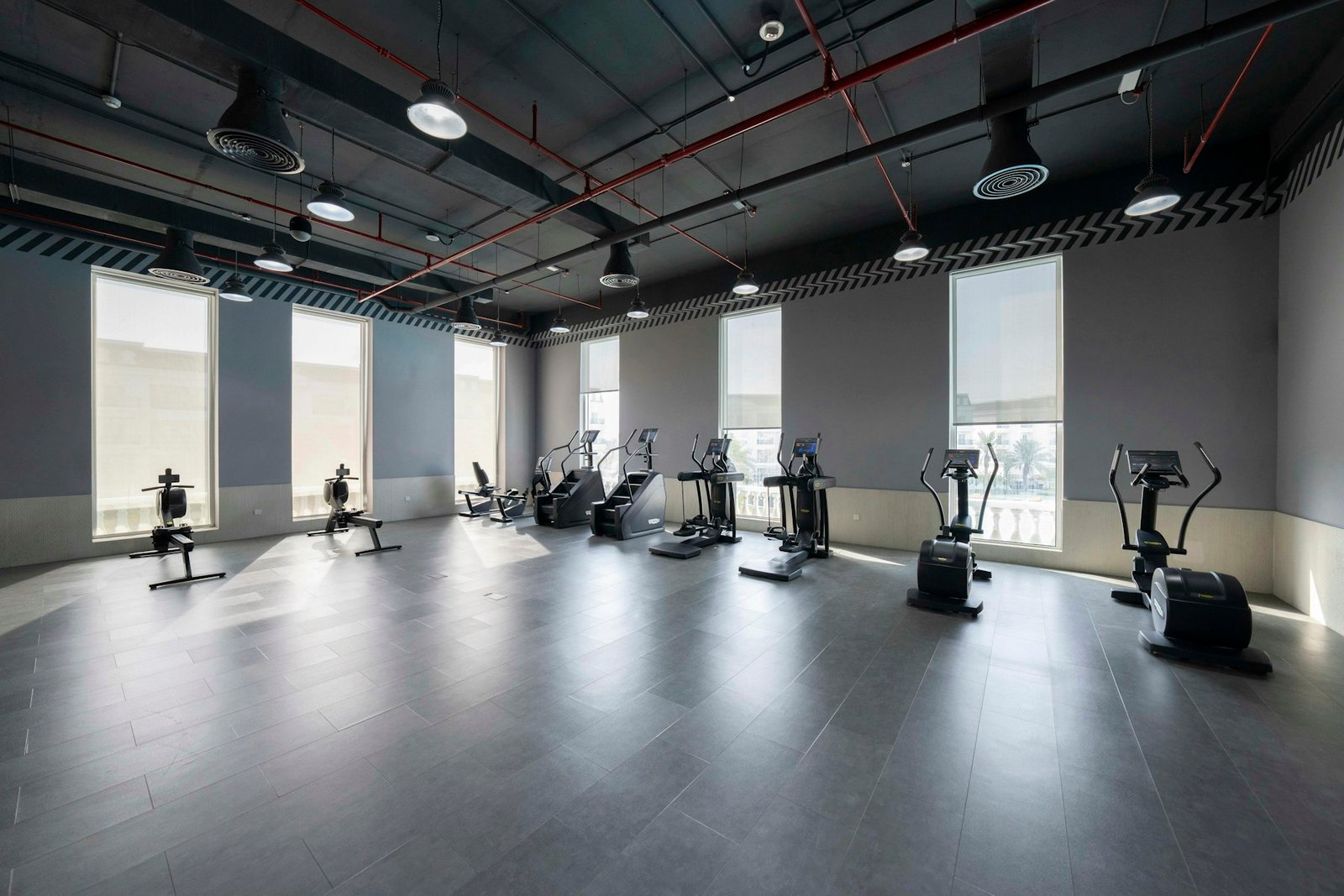
A strong location should have a relevant audience, repeated foot traffic, clear visibility, suitable power access, and enough space for delivery, cleaning, and refill work. If a buyer asks, “is a smoothie vending machine profitable in this site?”, the answer should start with local demand and operating access. Gyms, shopping malls, offices, schools, hotels, hospitals, transport hubs, and entertainment venues can all be worth reviewing, but each site needs its own traffic and customer profile check.
For more location planning, see the YumBoxs guides on best locations for a smoothie vending machine, smoothie vending machines for gyms, and smoothie vending machines for shopping malls.
The Main Profit Drivers to Check Before Buying
A profitable smoothie vending machine project depends on more than sales volume. Buyers should review the whole operating model before ordering. The most important drivers usually include demand, selling price, ingredient cost, rent, payment fees, refill labor, cleaning work, maintenance, and machine uptime.
1. Customer Demand
The machine should serve people who already want smoothies or healthier beverage options. For example, a gym location may have customers who want post-workout drinks, while a mall location may depend more on impulse purchases and visibility.
2. Product and Menu Fit
The menu should match the location. A premium smoothie menu may work in a fitness or office environment, while a family entertainment venue may need simpler choices and very clear on-screen ordering. Buyers should confirm the ingredient setup and refill workflow before production.
3. Pricing and Gross Margin
Selling price matters, but a higher price does not automatically mean higher profit. Buyers need to compare the expected selling price with ingredient cost, cup or packaging cost, payment fees, site rent or commission, refill labor, and cleaning time.
[HUMAN CONFIRMATION REQUIRED: Confirm local selling price, ingredient cost, cup or packaging cost, rent or revenue-share terms, payment fees, labor cost, and expected daily sales before making any profit estimate.]
4. Refill and Cleaning Efficiency
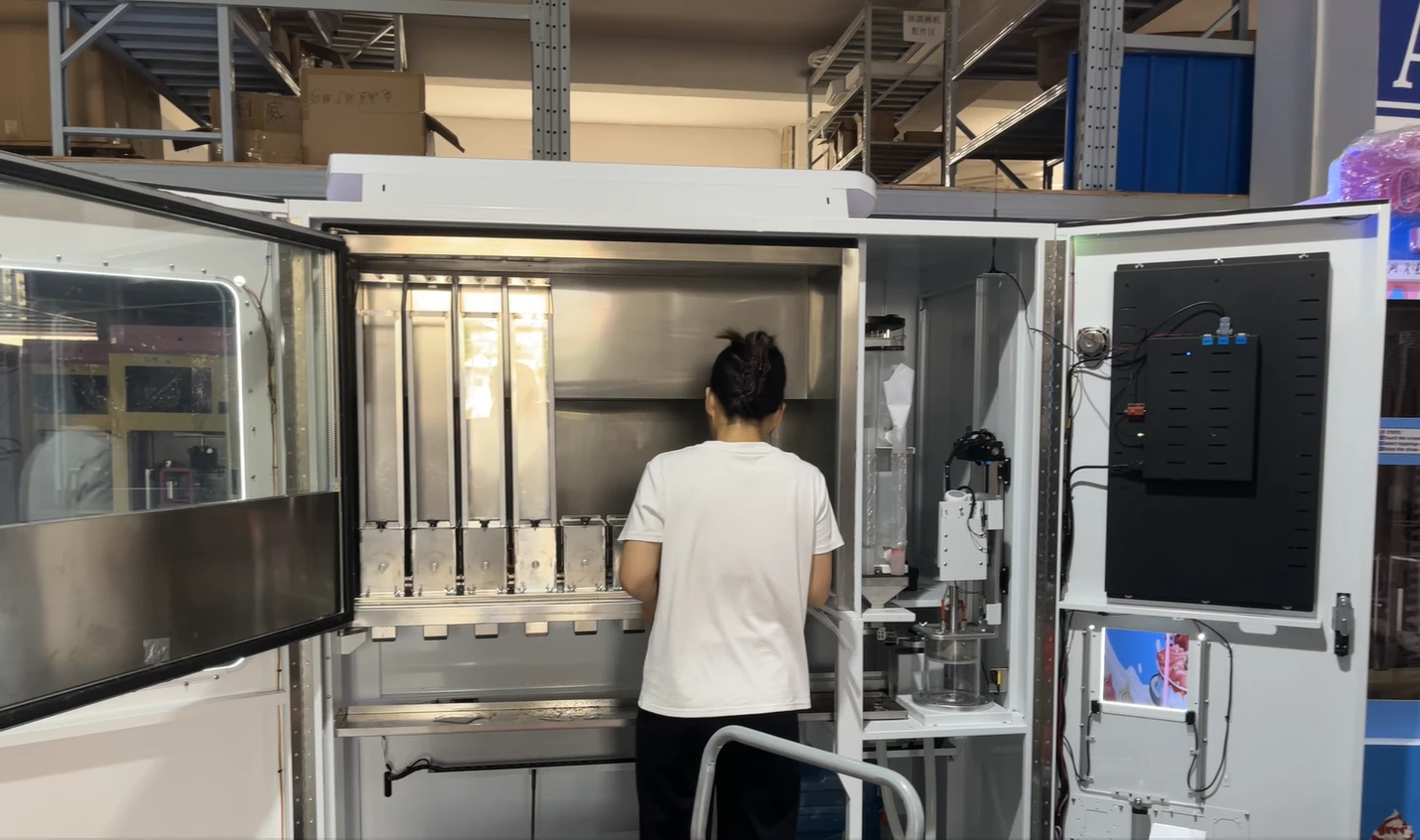
Daily operation can decide whether a smoothie vending project is practical. If refilling takes too long, cleaning is difficult, or the operator must travel too far between machines, profit can shrink quickly. Buyers should review the refill route, cleaning process, waste handling, and site access before launch.
The YumBoxs guide on how to clean a smoothie vending machine can help buyers think through the routine maintenance side of the project.
5. Machine Configuration
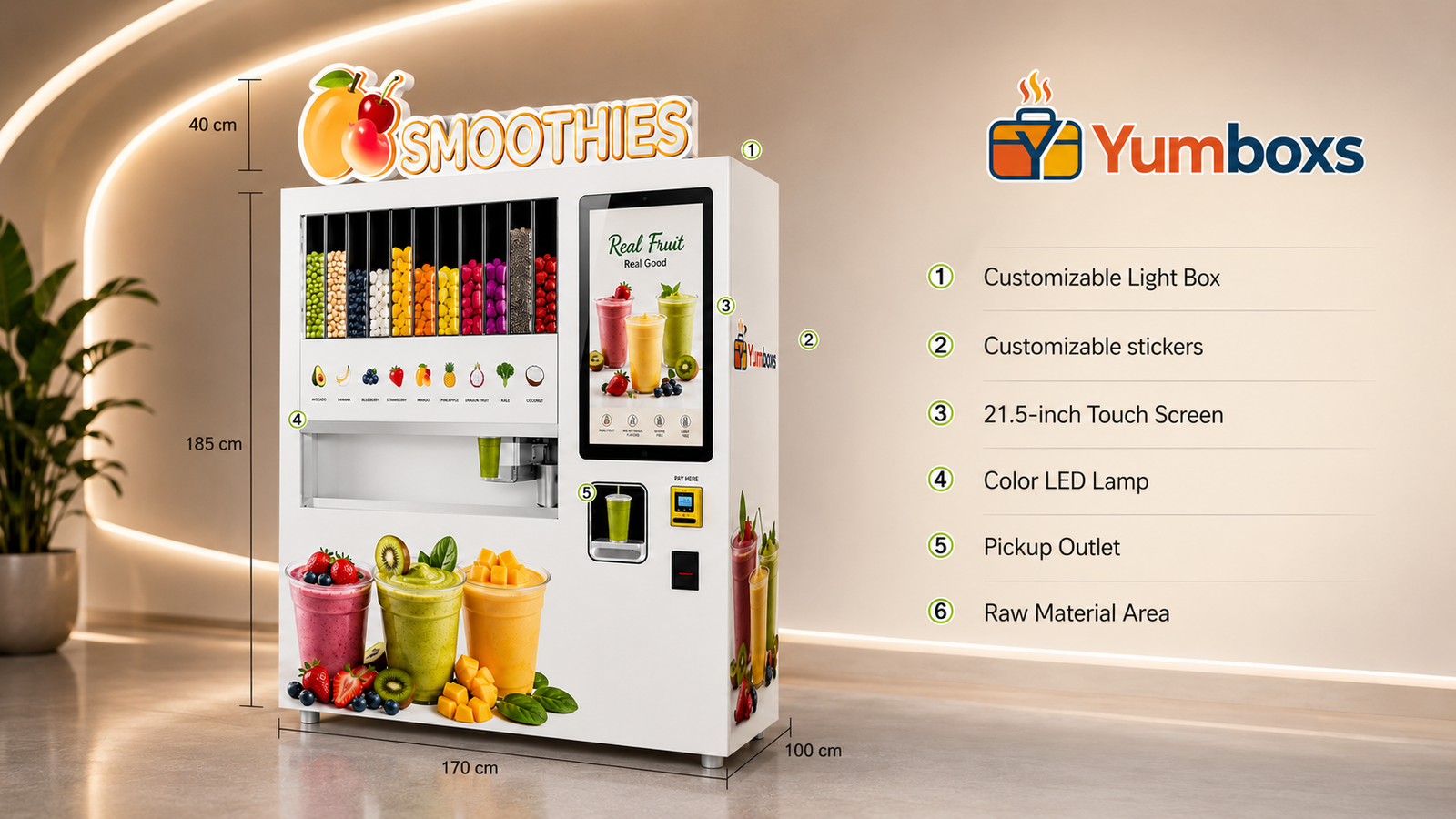
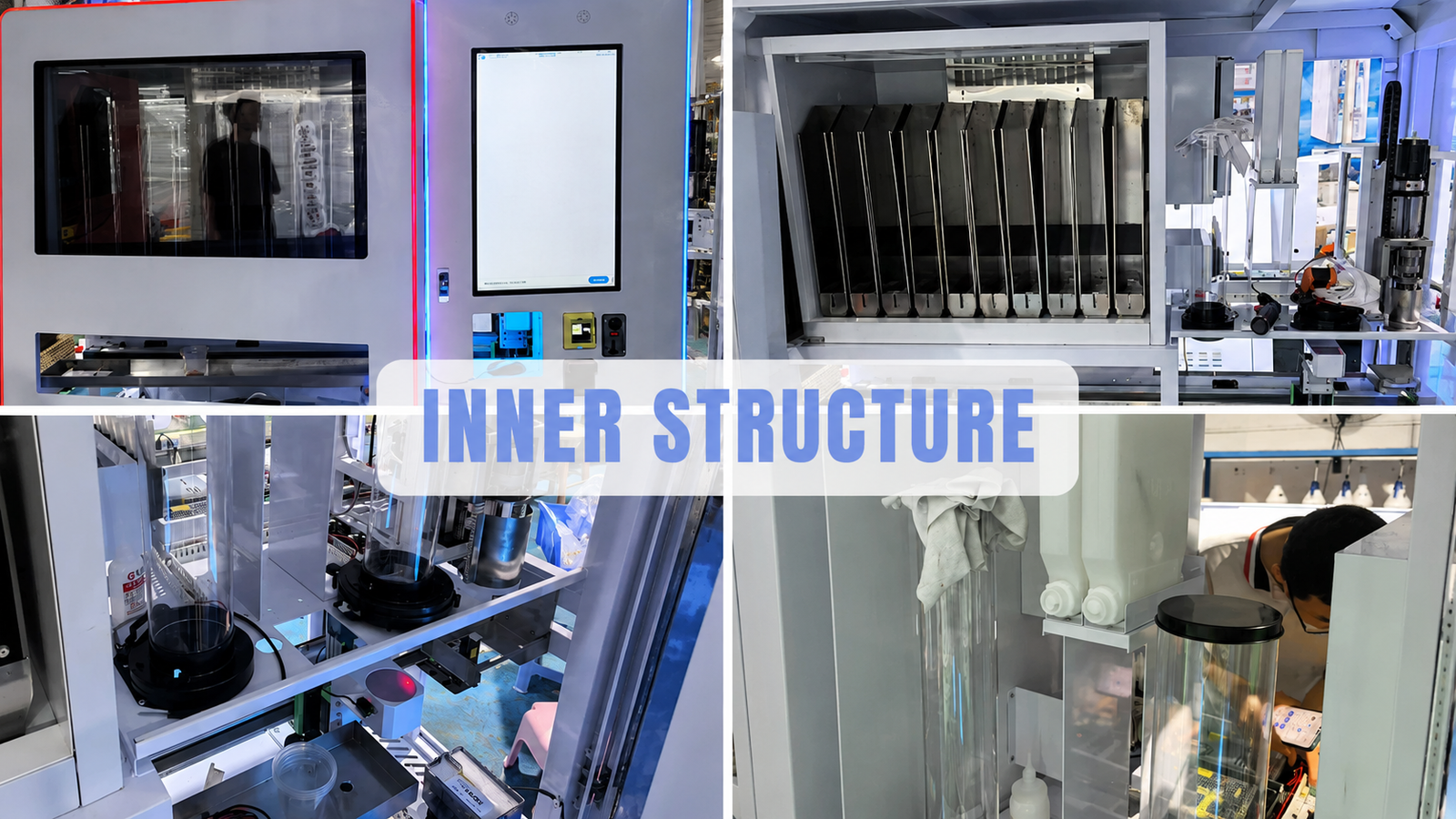
The machine should match the buyer’s country, site conditions, product plan, payment method, and branding needs. Choosing the wrong configuration can create extra work after delivery. For this reason, buyers should confirm the machine setup before production, not after the machine arrives.
Start with the YumBoxs smoothie vending machine page when reviewing machine category and commercial use cases.
A Simple Profitability Framework
Buyers can use a simple framework to decide whether a project deserves deeper financial review. This framework does not replace local accounting or market research, but it helps organize the right questions.
| Area | Question to Ask | Why It Matters |
|---|---|---|
| Location | Do target customers pass the machine often enough? | Traffic and audience fit affect sales potential. |
| Menu | Does the smoothie offer match customer habits? | Product fit affects repeat purchases. |
| Pricing | Can the selling price cover direct and operating costs? | Revenue alone does not show profit. |
| Refill | Can staff refill the machine efficiently? | Labor and travel time affect operating margin. |
| Cleaning | Can cleaning be done consistently at the site? | Food and beverage vending requires disciplined operation. |
| Payment | Does the payment method match local buyer habits? | Payment friction can reduce conversion. |
| Support | Can the supplier support setup and troubleshooting? | Downtime can affect project performance. |
What Can Reduce Smoothie Vending Machine Profit?
Some buyers focus only on machine cost and expected sales. However, several practical issues can reduce profit after launch. These include weak placement, low visibility, high rent, expensive ingredients, long refill routes, unclear cleaning responsibility, poor payment fit, and unplanned service needs.
Import planning can also affect the project. Buyers who order from overseas should plan machine configuration, inspection, packing, shipping, customs clearance, delivery, and installation support early. The YumBoxs guide on how to import a vending machine from China explains these steps in more detail.
When a Smoothie Vending Machine Project Looks Promising
A project may deserve deeper review when the buyer has a strong location, a relevant audience, realistic pricing, clear refill access, a practical cleaning plan, and a supplier who can help confirm machine configuration. It is also important to test assumptions before scaling to multiple units.
For buyers still comparing suppliers, the guide on how to choose a smoothie vending machine manufacturer can help organize supplier questions.
Planning a smoothie vending machine business?
Share your target country, location type, payment needs, ingredient plan, and expected operation model with YumBoxs. Our team can help review the machine configuration before you request a quotation.
Final Recommendation
So, is a smoothie vending machine profitable? It depends on the location, customer demand, menu fit, pricing, ingredient supply, rent, refill labor, cleaning process, payment setup, and supplier support. A smoothie vending machine can be a serious commercial project, but buyers should avoid fixed payback promises or unsupported ROI claims.
Before ordering, prepare your location information, product plan, payment requirements, branding needs, and operating assumptions. YumBoxs can then help review the machine configuration and quotation details so you can build a more realistic smoothie vending machine business plan.